Anemia means the blood has fewer healthy red blood cells or less haemoglobin than normal, so less oxygen reaches the body’s tissues. Iron deficiency is the most common cause worldwide, especially among women, young children and pregnant women.
Common Symptoms
- Tiredness and weakness
- Pale skin or pale inner eyelids
- Shortness of breath on exertion
- Dizziness or headaches
- Cold hands and feet
- Brittle nails or unusual cravings such as for ice
Common Causes
| Cause | Examples |
|---|---|
| Low iron intake | Diets low in iron-rich foods |
| Blood loss | Heavy periods, stomach or bowel bleeding |
| Increased needs | Pregnancy, rapid growth in children |
| Poor absorption | Some digestive conditions or surgery |
How It Is Diagnosed
A complete blood count (CBC) shows haemoglobin levels and red cell size. Iron studies, including ferritin, show the body’s iron stores. Doctors may also look for the cause of iron loss.
Treatment
- Iron supplements as prescribed by a doctor
- Treating the underlying cause, such as heavy periods
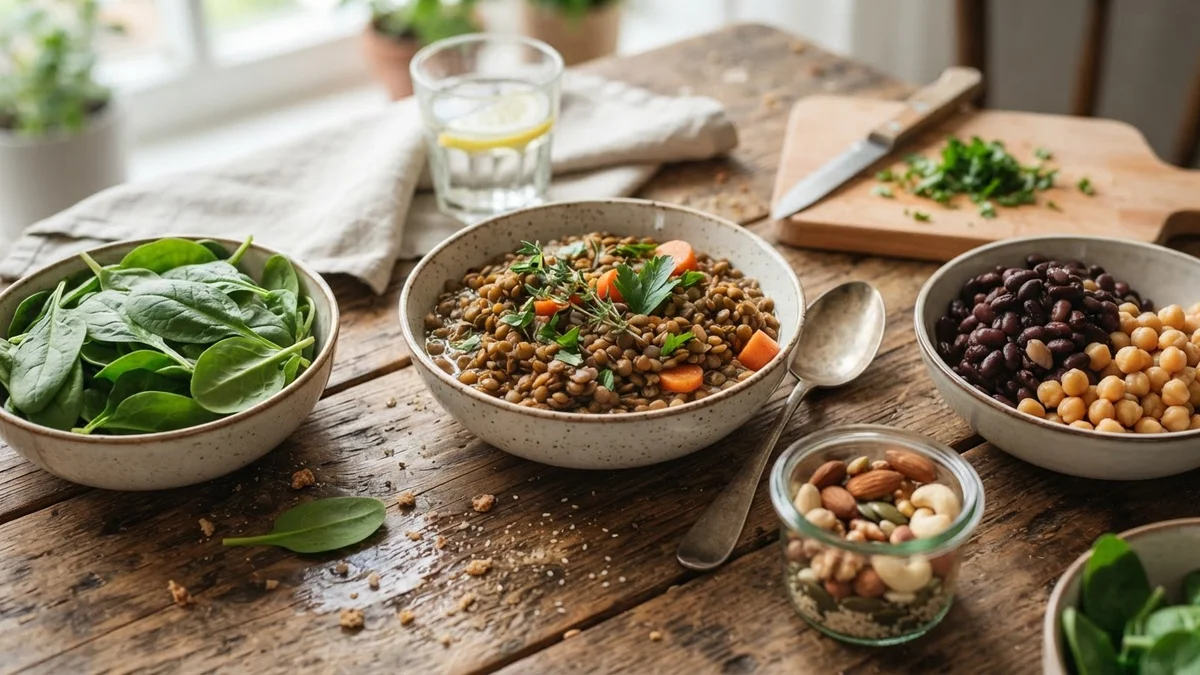
- Eating iron-rich foods: lentils, beans, leafy greens, meat, fish and fortified cereals
- Pairing iron-rich foods with vitamin C sources to improve absorption
Do not start iron supplements without medical advice, as too much iron can be harmful.
When to Seek Help
See a doctor for ongoing tiredness, breathlessness or any unexplained bleeding. Chest pain or fainting needs urgent care.
Conclusion
Iron deficiency anemia is common and treatable. A simple blood test can confirm it, and finding the cause is just as important as replacing iron.
Disclaimer: This article is for general information only and is not a substitute for professional medical advice, diagnosis or treatment. Always consult a qualified healthcare provider about your own situation.